Arrhythmia Symptoms: Essential ECG Monitoring & Expert Treatment Tips
Arrhythmia symptoms can often be subtle and easily overlooked, yet recognizing them early is crucial for effective management and prevention of serious complications. Arrhythmia refers to an irregular heartbeat—either too fast, too slow, or erratic—caused by issues in the heart’s electrical system. If you notice any unusual sensations in your chest or irregularities in your pulse, it’s vital to seek professional guidance for timely diagnosis and treatment. In this article, we will explore key arrhythmia symptoms, the importance of ECG monitoring, and expert tips from heart rhythm specialists and cardiologists.
Understanding Arrhythmia Symptoms: What to Watch For
Arrhythmia symptoms can vary widely depending on the type and severity of the condition. Some people experience noticeable signs, while others remain asymptomatic until complications arise. Common arrhythmia symptoms include:
– Palpitations: Feeling like your heart is racing, fluttering, or skipping beats is one of the most recognizable signs.
– Dizziness or Lightheadedness: An irregular heartbeat can reduce blood flow to the brain, causing faintness or dizziness.
– Shortness of Breath: Difficulty breathing during normal activities is often linked with arrhythmias.
– Fatigue: Constant tiredness or lack of energy may indicate that your heart isn’t pumping efficiently.
– Chest Pain or Discomfort: This can mimic angina and requires immediate medical attention.
– Syncope (Fainting): Passing out or near-fainting spells can be a sign of serious arrhythmia.
Recognizing these symptoms early is essential; they shouldn’t be ignored or attributed solely to stress or anxiety. If you experience any of these, consulting a heart rhythm specialist promptly can make a significant difference.
The Role of ECG Monitoring in Arrhythmia Diagnosis
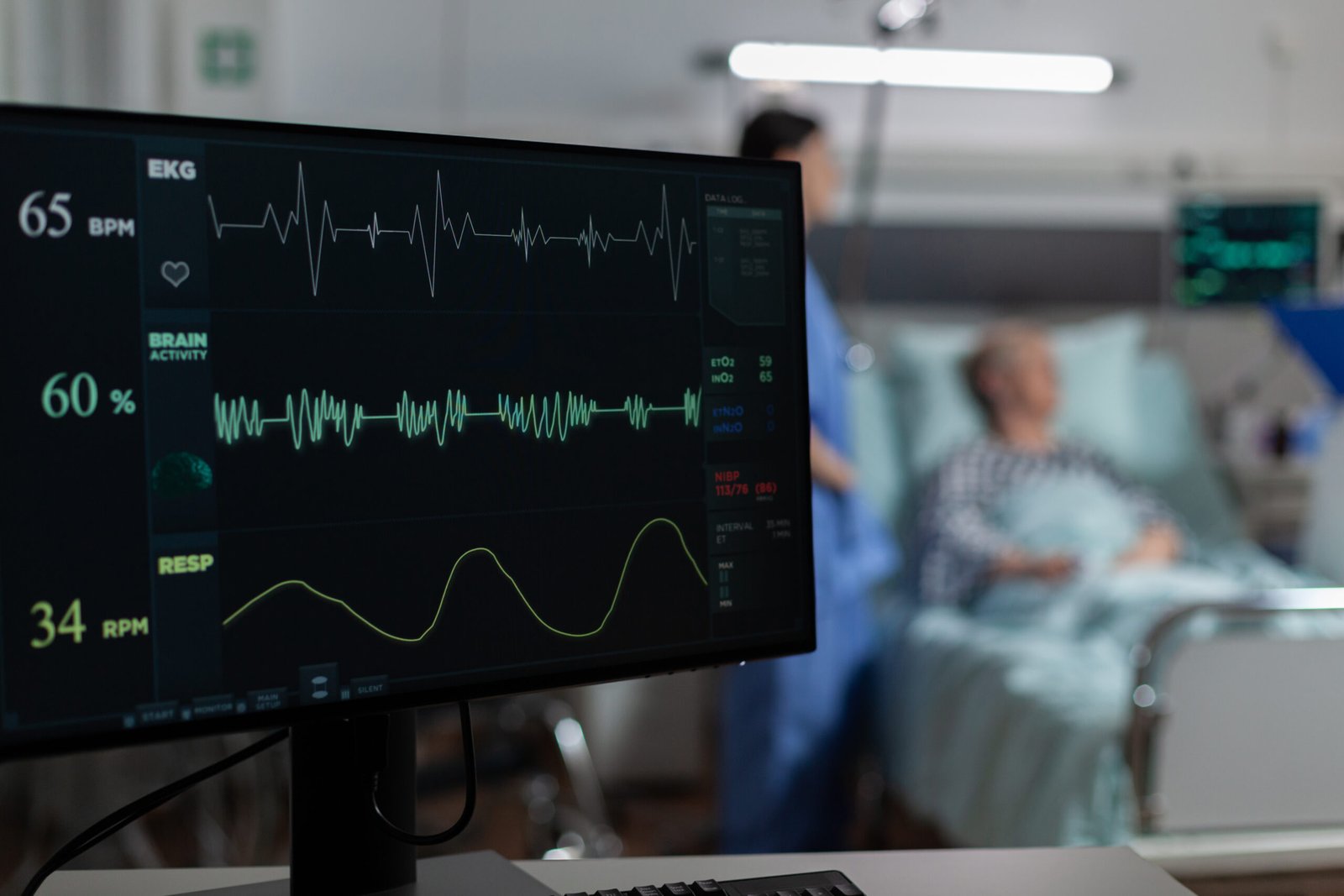
ECG (electrocardiogram) monitoring is a fundamental diagnostic tool used by cardiologists to detect and evaluate arrhythmias. It records the electrical impulses of your heart and can reveal abnormalities in heart rhythm that are otherwise undetectable.
Types of ECG Monitoring
– Resting ECG: A quick and painless test performed while you are lying down, providing immediate information about your heart rhythm.
– Holter Monitor: A portable device worn for 24 to 48 hours to record intermittent arrhythmias during daily activities.
– Event Monitor: Used for longer-term monitoring, it records only when you activate the device after experiencing symptoms.
– Implantable Loop Recorder: For persistent or unexplained symptoms, a device implanted under the skin continuously monitors heart rhythm over months or years.
If you are searching for “ECG monitoring Bangalore,” several healthcare centers offer advanced facilities for comprehensive heart diagnostics using these methods.
Expert Treatment Tips for Irregular Heartbeat
Treatment for an irregular heartbeat depends on the type of arrhythmia, its underlying cause, and the severity of symptoms. Seeking care from a qualified cardiologist or heart rhythm specialist is essential for personalized care.
Lifestyle Modifications
Simple changes can often improve or prevent arrhythmias, including:
– Reducing caffeine and alcohol intake
– Giving up smoking
– Managing stress through meditation or yoga
– Maintaining a healthy weight and balanced diet
– Regular physical activity tailored to your condition
Medical Treatment Options
– Medications: Anti-arrhythmic drugs, beta-blockers, or blood thinners may be prescribed to regulate heart rhythm and prevent complications.
– Cardioversion: This procedure uses electrical pulses to restore the heart’s normal rhythm.
– Catheter Ablation: A minimally invasive technique where problematic areas in the heart causing arrhythmias are destroyed.
– Pacemaker or Implantable Cardioverter Defibrillator (ICD): Devices implanted to regulate or correct dangerously slow or fast heartbeats.
When to See a Cardiologist Near Me
If you frequently experience arrhythmia symptoms or have been diagnosed with an irregular heartbeat, regular follow-ups with a cardiologist near you are crucial. Early intervention and consistent heart diagnostics can prevent progression and improve quality of life.
Conclusion
Being aware of arrhythmia symptoms and taking swift action by utilizing ECG monitoring can greatly enhance outcomes. Whether you experience mild palpitations or more serious symptoms like dizziness and chest pain, consulting a heart rhythm specialist can provide the tailored treatment you need. In cities like Bangalore, access to advanced ECG monitoring and expert cardiologists ensures that you can receive comprehensive heart diagnostics and care. Don’t wait for symptoms to worsen; early diagnosis and management are the keys to a healthier heart and a better life.